Live Bee Removal in Santee, CA
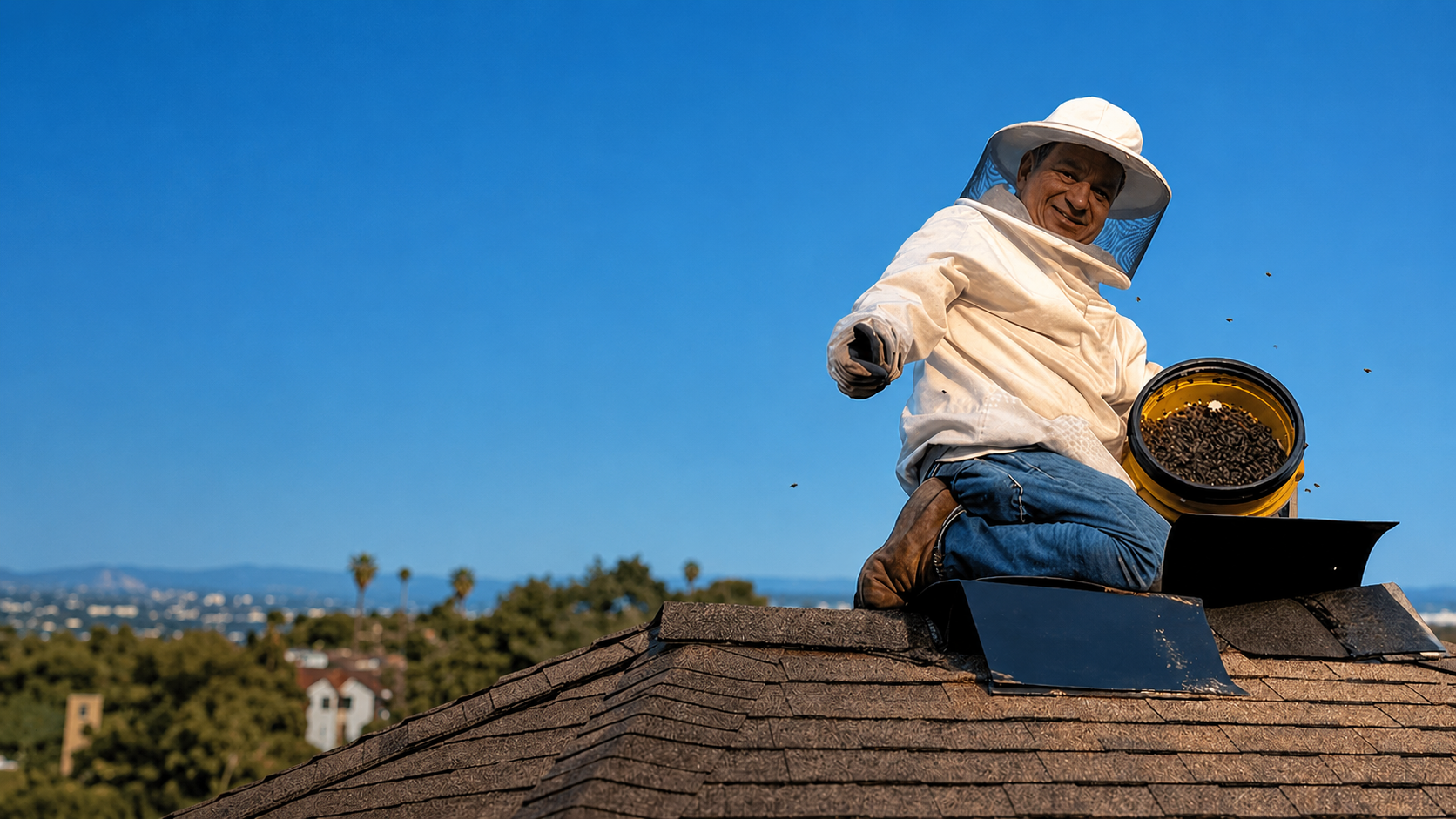
Whether you see a cluster of bees resting on a tree or steady traffic in and out of a wall, roofline, or vent, MJC handles live bee removal in Santee. We safely remove the colony and relocate it, remove accessible honeycomb, clean the cavity, neutralize residual colony scent, seal the identified entry point, and complete associated repairs within our scope. Do not spray the bees or seal an active entrance. No pesticides. No spraying.
If bees are active right now
Stay calm and stay back
When bees are active near an entrance or a place people gather, the priority is safety.
- Keep children and pets away from the area.
- Do not spray the bees or swat at them.
- Do not disturb a resting swarm or try to remove it yourself.
- Do not seal an opening while bees are actively using it.
- Call for professional help when activity is close to doors, windows, or walkways.
Know what you are seeing
Telling apart a swarm and an established colony
The behavior you observe helps determine what is happening on your property:
- A single cluster hanging in the open is often a resting swarm that may move on.
- Bees flying in and out of the same gap in a wall, eave, or roof usually mean comb has been built inside.
- Activity at a chimney or vent can indicate a hive in the attic or roof cavity.
- Honeycomb visible on the exterior is a sign the colony has been established for some time.
- Bees appearing inside the house may mean the hive is in the adjacent wall or ceiling.
We do not visually identify whether bees are Africanized or European. Every colony is handled carefully based on its location and behavior.
Where bees build
Common nesting spots on Santee properties
Colony locations vary by property. In Santee homes and businesses, bees often build in:
- Wall and stucco cavities
- Rooflines, eaves, soffits, and fascia
- Attics
- Chimneys and vents
- Sheds, patio structures, and outdoor buildings
- Utility and irrigation enclosures
- Tree cavities
This is a general list of possibilities, not a record of specific Santee jobs. Your situation may differ, which is why every removal starts with an inspection.
Why visible-bee removal alone is not enough
The material left inside a cavity
An established structural colony may leave honeycomb, honey, wax, pollen, and residual scent. Accessible material can melt, stain building materials, attract other pests, or make the cavity appealing to future swarms. That is why removing accessible comb and cleaning the cavity matters, not just removing the bees.
We do not claim that any particular negative outcome will always happen. We explain what we find and recommend what should be addressed.
How MJC works
The live-removal process
The process is adapted to each colony's location and the access required. In general it includes:
- Inspection and evaluation
- Locating the colony and entry point
- Creating safe access when necessary
- Collecting the live colony, including the queen
- Responsible relocation
- Removing accessible honeycomb and hive material
- Cleaning the cavity and neutralizing residual colony scent
- Sealing the identified entry point
- Completing associated repairs within MJC's scope
The exact steps depend on the colony's location, access, and the surrounding materials. Not every job is completed in one visit.
Removal situations MJC handles
Services for Santee properties
MJC handles a range of live bee removal situations, including bees in walls, attic and roof hives, swarms, and bee-related access and repair. We also offer bee proofing and prevention and commercial bee removal for apartments, HOAs, and businesses.
Repairs after structural removal
Repairs within MJC's scope
Repair needs depend on the colony location, the access point, the surface material, and the condition of the surrounding structure. Some repairs require specialized roofing, masonry, framing, waterproofing, or finish work that may call for a separate plan.
We do not promise that every repair is included or that every surface is restored in one visit. We clarify the removal and repair plan before work begins, and we complete associated repairs when the work falls within our scope.
Why property owners choose MJC
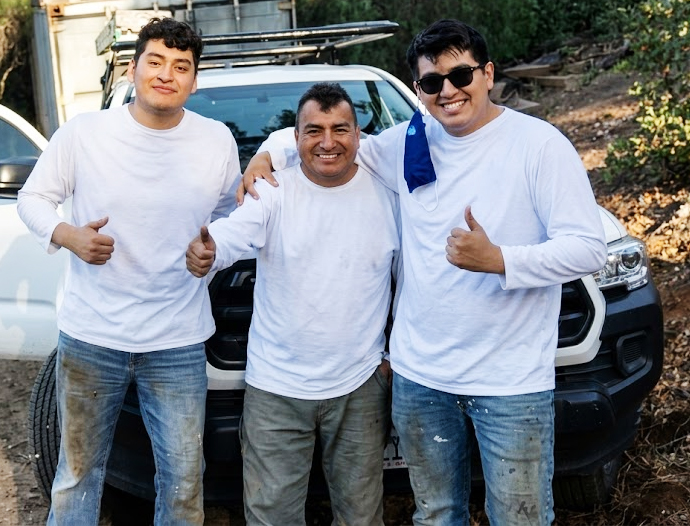
Family-owned live removal since 2014
MJC is family-owned and has served San Diego County since 2014. We do not spray or kill honey bee colonies. Our work includes live removal and responsible relocation, accessible honeycomb removal, cavity cleanup, entry-point sealing, and repairs within our scope.
We cannot guarantee that bees will never return to a property. Removing accessible hive material, cleaning the cavity, and sealing the identified entry point helps reduce the likelihood of another colony using the same cavity.
Coverage
Santee and nearby East County communities
MJC serves properties throughout Santee, including areas near Carlton Hills, West Hills, Mission Gorge Road, Magnolia Avenue, and Cuyamaca Street. We also serve nearby East County communities. If you are in El Cajon or La Mesa, we serve those areas as well. Call (619) 550-0687 to confirm availability for your specific address, or see our Areas We Serve page for the full county overview.
Santee Bee Removal FAQ
Questions about bees in Santee
Keep people and pets away from the room where bees are appearing and do not spray them. Bees showing up indoors often means a colony is established in the adjacent wall, ceiling, or attic. Call us so we can inspect, locate the colony and entry point, and explain the removal plan before any work begins.
A tight cluster resting on a fence, tree, or structure is often a temporary swarm. A swarm may move on without intervention, but we cannot guarantee how long it will stay. Steady traffic in and out of one opening is a stronger sign of an established colony with comb inside the structure.
Do not seal an opening while bees are actively occupying the cavity. Sealing active bees inside can push them deeper into the structure or cause them to find another exit indoors. We seal the entry point as part of the removal process, after the colony and accessible comb have been addressed.
No. MJC does not spray or kill honey bee colonies. We carefully remove the live colony and relocate it to an appropriate environment where the bees can continue to live and thrive. Because every colony and property is different, we inspect the location and explain the safest live-removal approach before work begins.
Honeycomb, honey, wax, pollen, and residual scent left in a cavity can melt, stain building materials, attract other pests, or make the space appealing to future swarms. That is why removing accessible comb and cleaning the cavity matters, not just removing the bees.
Yes. We handle colonies in rooflines, eaves, attics, and vents. Access and the surrounding materials determine the approach. See our attic and roof hives page for more detail on how those removals work.
We cannot guarantee bees will never return to a property. Removing accessible comb, cleaning the cavity, neutralizing residual scent, and sealing the identified entry point can reduce the likelihood of another colony using the same cavity. Other openings on the property can still attract future swarms, so we may recommend addressing those proactively.
Related Pages
Explore MJC’s services
Live bee removal, comb extraction, cleanup, sealing, and repairs within our scope - throughout San Diego County.
Bees on your Santee property? Let's talk.
No pesticides. No spraying. Live removal and relocation. Call for a free inspection.