
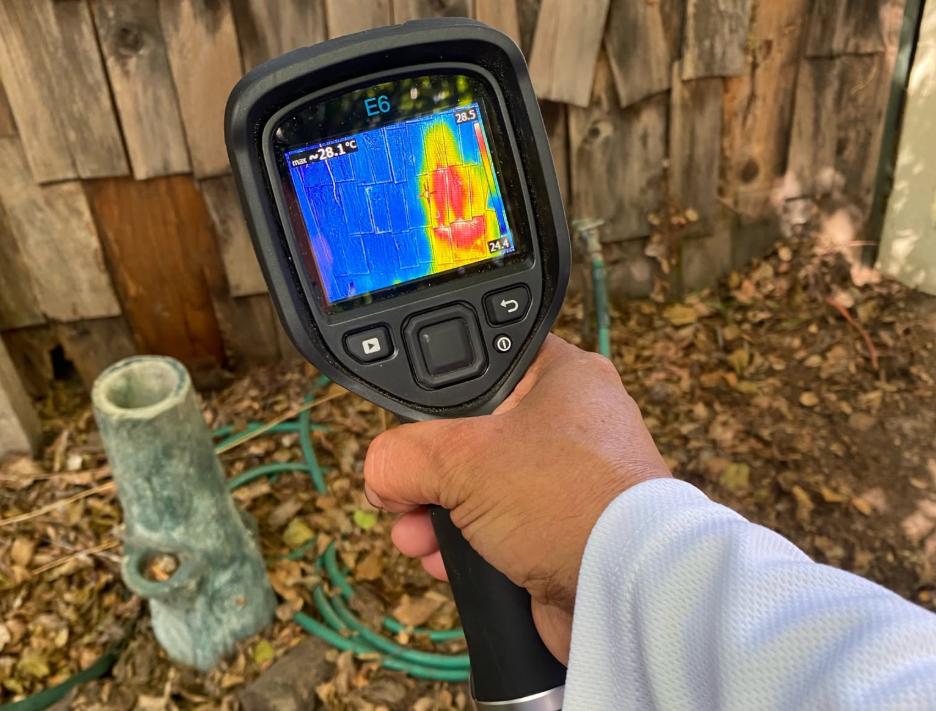
March is when San Diego bee calls start picking up. By April, phones at removal companies are ringing daily. The window between “I haven’t seen any bees yet” and “there’s a colony inside my wall” is shorter than most homeowners expect - sometimes just a few days.
Bee proofing works best when it happens before that window opens.
When Swarming Season Hits San Diego
Swarming season in Southern California runs from March through June. That is when colonies split - the old queen leaves with roughly half the workers to find a new nesting site, and scout bees fan out across neighborhoods looking for gaps, voids, and entry points. San Diego’s mild winters mean this can kick off as early as late February in warmer years - and 2026 is tracking earlier than usual.
Once scouts find a suitable spot, the swarm can move in within hours. A wall void, an open soffit vent, a weep hole in stucco - any of these can become home to a new colony before you realize what happened.
Why January or February Is the Right Time to Act
Simple logic: seal the entry points before scouts start looking. A bee proofing inspection in January or early February gives you a full month of buffer before peak swarming begins. If scouts check your home and find nothing accessible, they move on.
Waiting until you see bees hovering around a gap puts you in reactive mode. Those are scouts. The swarm has not moved in yet, but the clock is running. Sealing at that moment is still faster than a full removal - but barely.
What Gets Inspected and Sealed
Bees do not need much space. A quarter-inch gap is enough. The entry points MJC finds most often on San Diego homes:
Weep holes in brick and stucco walls
Gaps where the roofline meets the fascia board
Open or damaged soffit vents
Spaces around utility pipe penetrations
Irrigation valve boxes
Hollow fence posts and gate frames
Meter box openings
Each spot gets assessed. Mesh screening, caulk, and hardware cloth are used depending on the location and gap size. The goal is to block entry without trapping anything already inside - which is why this is not a DIY job if you are not sure what is already in there.
What Happens If You Skip It
A colony that moves in during March will spend spring and summer building. By mid-summer, a wall hive can hold 15,000 to 30,000 bees and significant honeycomb. That means cutting the wall, pulling the full comb, treating the cavity, and patching the opening. That job costs considerably more than a pre-season inspection.
There is also the re-infestation problem. Honeycomb left in a wall - even after bees are removed - releases pheromones for months. New swarms detect those signals and return to the exact same location. MJC applies the Pheromone Neutralization Protocol™ after every removal to eliminate those scent markers. It is the step most companies skip, and it is the main reason homeowners end up calling a second company six months later.
Already Had Bees Removed? Bee Proof Before Next Spring
If you had a removal this year, schedule bee proofing before February. The entry point that let the first colony in will attract another one if it is not sealed and treated. MJC handles both in the same visit.
No history of bees but want to stay ahead of it - a January inspection is the right call for most San Diego homes.
Call (619) 550-0687 to schedule. Same-day service available across San Diego County.